10 Unique Beanie Crochet Patterns Free Step-by-Step Guide
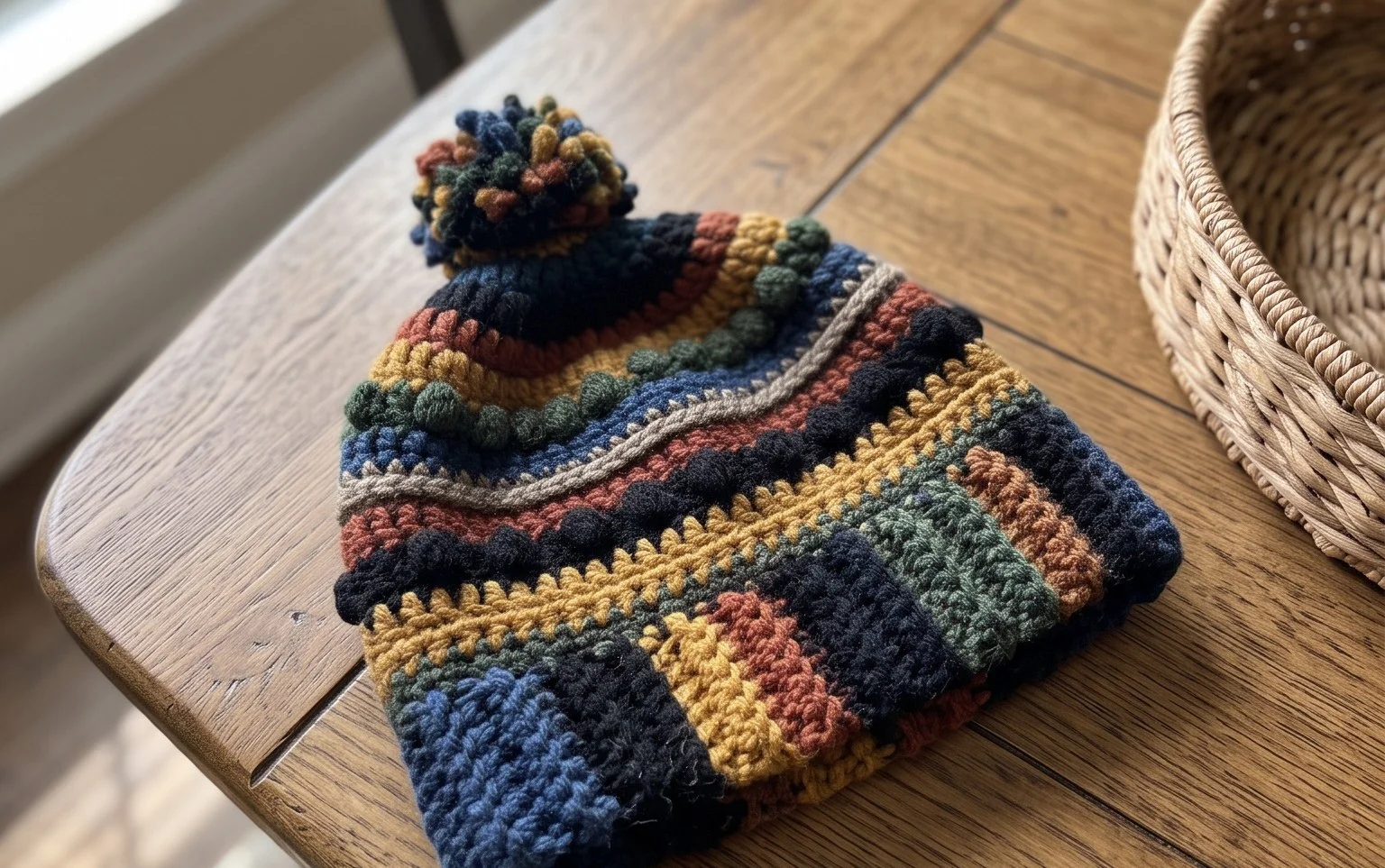
Stiff, structural wool or soft, slouchy alpaca blends create a hat that stands out in a crowded winter wardrobe. These headpieces use unconventional construction methods like vertical rows or modular motifs to move beyond standard double crochet ribbing. Beginners enjoy the meditative rhythm of these stitches, while experienced makers appreciate the chance to experiment with new shapes. You will learn to manipulate tension and stitch height to build geometric silhouettes that fit securely around the crown. Whether you want a gift that generates questions or a personal project that defies typical headwear expectations, these patterns offer a fresh perspective on classic yarn work.
Why You’ll Love This Pattern
This beginner-friendly crochet coaster set is designed to be completed in a single afternoon, making it an ideal project for using up small amounts of leftover cotton yarn. The texture of the stitch pattern provides a stable, absorbent surface that protects wooden tables from water rings while adding a handmade touch to your home decor. Because the pattern relies on basic stitches worked in a tight, repetitive motion, it serves as a meditative project that requires minimal focus once the first round is established.
I finished a set of four coasters in just a few hours. The stitch definition is excellent and they lay perfectly flat without any curling.
— Sarah, hobbyist crocheter
Pattern Overview & Skill Level
- Skill Level: Beginner
- Approximate Time: 30 minutes per coaster
- Construction: Worked in joined rounds, starting from a center point and expanding outward
- Finished Dimensions & Sizing: Approximately 4 inches in diameter
Materials & Supplies Needed
- Yarn: Worsted weight (#4) 100% cotton yarn; approximately 15 yards per coaster. Cotton is chosen for its heat resistance and absorbency.
- Hook Size: 5.0 mm (H-8) crochet hook.
- Notions: Yarn needle for weaving in ends and a pair of sharp scissors.
- Safe yarn substitutions: Acrylic yarn can be used, but note that it does not absorb moisture as well as cotton and is not suitable for hot mugs. Wool yarn provides good insulation but requires hand-washing.
Stitch Guide & Abbreviations (US Terms)
- ch = chain
- st(s) = stitch(es)
- sl st = slip stitch to join
- sc = single crochet
- dc = double crochet
- inc = increase (work 2 stitches into the same stitch)
- MR = magic ring
Step-by-Step Pattern Instructions
Coaster Body
- Rnd 1: Start with a MR. Ch 2 (counts as first dc). Work 11 dc into the ring. Sl st to the top of the beginning ch-2 to join. (12 sts)
- Rnd 2: Ch 2, dc in same st. Work 2 dc in each st around. Sl st to the top of the beginning ch-2 to join. (24 sts)
- Rnd 3: Ch 2, 2 dc in next st, *1 dc in next st, 2 dc in next st; repeat from * around. Sl st to the top of the beginning ch-2 to join. (36 sts)
- Rnd 4: Ch 1, sc in each st around. Sl st to the first sc to join. (36 sts)
Finishing
Fasten off the yarn, leaving a 4-inch tail. Pull the tail through the final loop to secure the knot. Use your yarn needle to weave the end through the back loops of the final round to hide it within the fabric. Repeat this for the starting tail at the magic ring, ensuring the center is pulled tight so no gap remains.
Care & Washing Instructions
- Machine wash your cotton coasters on a gentle cycle in cold water.
- Reshape them by hand while damp and lay them flat on a clean towel to air dry.
- Avoid using fabric softener, as it can reduce the natural absorbency of the cotton fibers.
Pro Tips & Common Mistakes to Avoid
Maintain consistent tension throughout the project to ensure the coaster remains flat. If you notice the edges starting to ruffle, your tension may be too loose; if the coaster bowls inward, your tension is likely too tight. Always place a stitch marker in the first stitch of every round to keep track of your count, as it is easy to accidentally skip the joining stitch. To adjust the size, simply add an extra round of increases, but be aware that this will require more yarn and may cause the coaster to sit unevenly if the surface is not perfectly flat.
Frequently Asked Questions
Can I use a larger hook size?
Using a larger hook will result in a more open, lacy texture and a larger finished coaster. If you do this, ensure your yarn weight matches the hook to prevent the fabric from feeling too thin or structurally unstable.
Is this pattern suitable for complete beginners?
Yes, this pattern uses only double crochet and single crochet stitches. It is an excellent way to practice working in the round and managing stitch counts without the complexity of shaping.
Can I sell the finished coasters?
You are welcome to sell finished items made from this pattern, provided you credit the design. Please do not redistribute the pattern text or photos as your own work.
What if my coaster does not lie flat?
If your coaster is slightly wavy after finishing, it likely needs blocking. Lightly mist the coaster with water, pin it flat to a blocking mat or folded towel, and let it dry completely to set the shape.
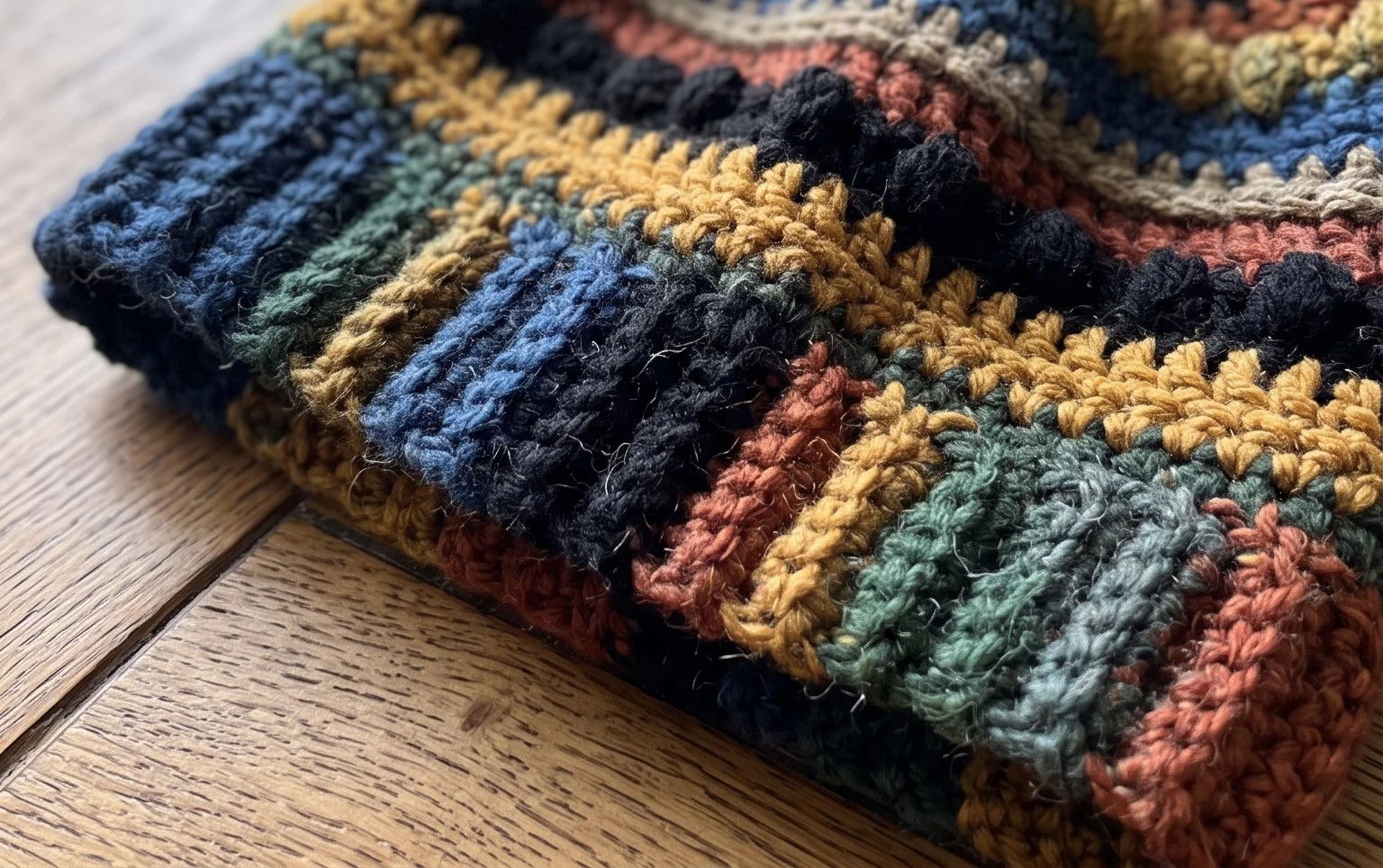
Seeing your finished hat take shape with its distinctive folds and angles gives a genuine sense of accomplishment. You can easily switch to a variegated wool blend for a bolder look or add a faux fur pompom to change the entire aesthetic of the piece. Please post your results on social media to show off your custom color choices and tag the blog so others can see your progress. Feel free to browse through the rest of the site for more winter gear ideas and seasonal inspiration.