10 Free Foldable Crochet Fruit Market Bag Patterns
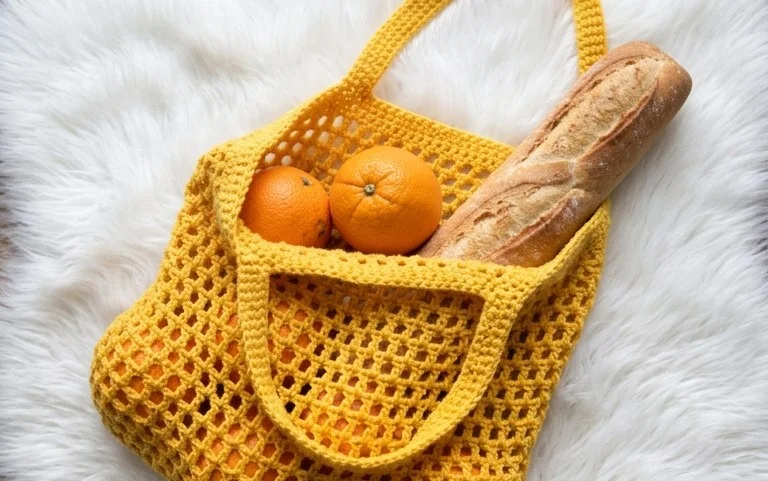
These mesh market bags collapse into a tiny palm-sized square, fitting right into your coat pocket or glove compartment for last-minute trips to the farmer’s market. The fabric stays lightweight yet stretches surprisingly wide to accommodate several pounds of heavy citrus or root vegetables without sagging. Beginners find the no-sew construction straightforward because it works in one continuous piece. You will master the basic chain and single crochet loops that give this design its signature flexibility. Creating a set of these keeps your pantry plastic-free while providing a meditative weekend activity that results in something you actually use every single week.
Why You’ll Love This Pattern
This classic crochet dishcloth is designed using a thermal stitch technique that creates a thick, double-layered fabric. The resulting texture is incredibly durable and holds more soap and water than standard single-layer cloths, making it ideal for scrubbing stubborn pots and pans. Because it uses a simple repeat of half double crochet stitches worked into the third loop, it is a perfect project for building muscle memory while producing a functional household tool. Beginners find the straightforward rhythm relaxing, while more experienced makers appreciate how quickly the thick fabric works up in worsted weight yarn.
I was skeptical about a handmade dishcloth, but the thickness of this one actually makes it work better than the sponges I buy at the grocery store. It is now the only thing I use for cleaning my cast iron skillet.
— Sarah, home cook
Pattern Overview & Skill Level
- Skill Level: Beginner
- Approximate Time: 60 to 90 minutes
- Construction: Worked in flat rows back and forth, turning at the end of each row.
- Finished Dimensions: 8 inches by 8 inches
Materials & Supplies Needed
- Yarn: Worsted weight (#4), 100% cotton, approximately 85 yards. Cotton is necessary for heat resistance and absorbency.
- Hook Size: 5.0 mm (H-8)
- Notions: Tapestry needle for weaving in ends, sharp scissors.
- Yarn Substitutions: You can use an acrylic-cotton blend, though it will be less absorbent. Using wool is not recommended as it will felt during hot water washes. Using a finer weight yarn will result in a smaller cloth unless you increase your starting chain.
Stitch Guide & Abbreviations (US Terms)
- ch = chain
- hdc = half double crochet
- st = stitch
- sl st = slip stitch
- BLO = back loop only: Inserting the hook only into the back loop of the stitch instead of both loops.
- 3rd Loop: The horizontal loop located just below the front loop on a half double crochet stitch.
Step-by-Step Pattern Instructions
Dishcloth Body
- Foundation: Ch 30.
- Row 1: Hdc in the 3rd ch from the hook and in every ch across. (28 sts)
- Row 2: Ch 2, turn. Hdc in the 3rd loop of each hdc from the previous row. Work the last hdc into the top of the turning chain. (28 sts)
- Rows 3–26: Repeat Row 2 until the piece measures 8 inches long.
Finishing
Once you reach the final row, cut the yarn, leaving a 6-inch tail. Pull the tail through the final loop on your hook to secure the stitch. Use your tapestry needle to weave the tail back and forth through the base of the stitches on the back side of the cloth to ensure it does not unravel during heavy scrubbing. Trim any excess yarn close to the fabric.
Care & Washing Instructions
- Machine wash in warm or hot water with like colors to sanitize the cloth after use.
- Tumble dry on low heat or lay flat on a drying rack to prevent the cotton from shrinking unevenly.
- Reshape the cloth while damp if it loses its square form after a heavy-duty laundry cycle.
Pro Tips & Common Mistakes to Avoid
- Keep your tension consistent throughout the rows. If the first few stitches of a row are tighter than the middle, the edges of your square will pull inward.
- Use a stitch marker on the first stitch of every row to ensure you are not accidentally dropping stitches at the turn. This is the most common reason for a dishcloth becoming a trapezoid shape.
- Weave your ends in for at least 3 inches in two different directions. Because dishcloths are wrung out frequently, a short tail will work itself loose very quickly.
- If you want to adjust the size, add or subtract stitches in multiples of 2. Note that adding width will require more than the recommended 85 yards of yarn.
Frequently Asked Questions
Can I use a larger hook to make it work up faster?
Using a larger hook will make the fabric loose and holey. For a dishcloth, you want a tight stitch density to provide scrubbing power, so stick to the 5.0 mm hook.
Is this pattern safe for beginners who have never crocheted before?
Yes, this is an excellent starter project. It only uses one type of stitch and requires no complex shaping, which allows you to focus entirely on maintaining consistent tension.
Can I sell the dishcloths I make from this pattern?
You are welcome to sell physical items you make using these instructions. Please credit the design to this tutorial when selling them online or in local markets.
Why does my cloth look more like a diamond than a square?
This usually happens due to uneven tension or accidentally increasing or decreasing at the ends of the rows. Count your stitches after every row to ensure you maintain exactly 28 stitches throughout.
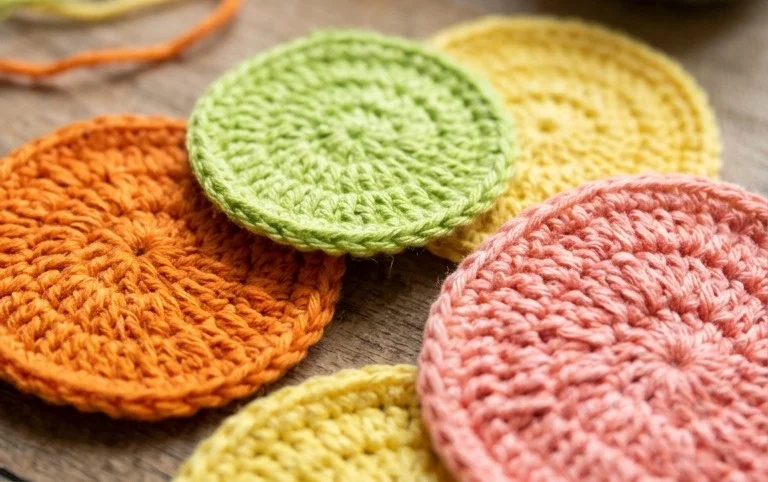
Your finished reusable bag handles heavy weight while maintaining a compact shape for daily errands. Try using a sturdy cotton-linen blend yarn if you prefer a stiffer texture for carrying sharper items like potatoes or onions. Sharing a photo of your finished work on social media helps others find inspiration for their own stash-busting projects. Browse our library for additional free patterns to fill your kitchen with handmade staples. Each bag you complete reduces reliance on disposable plastic, making every grocery run a little more sustainable for your household.